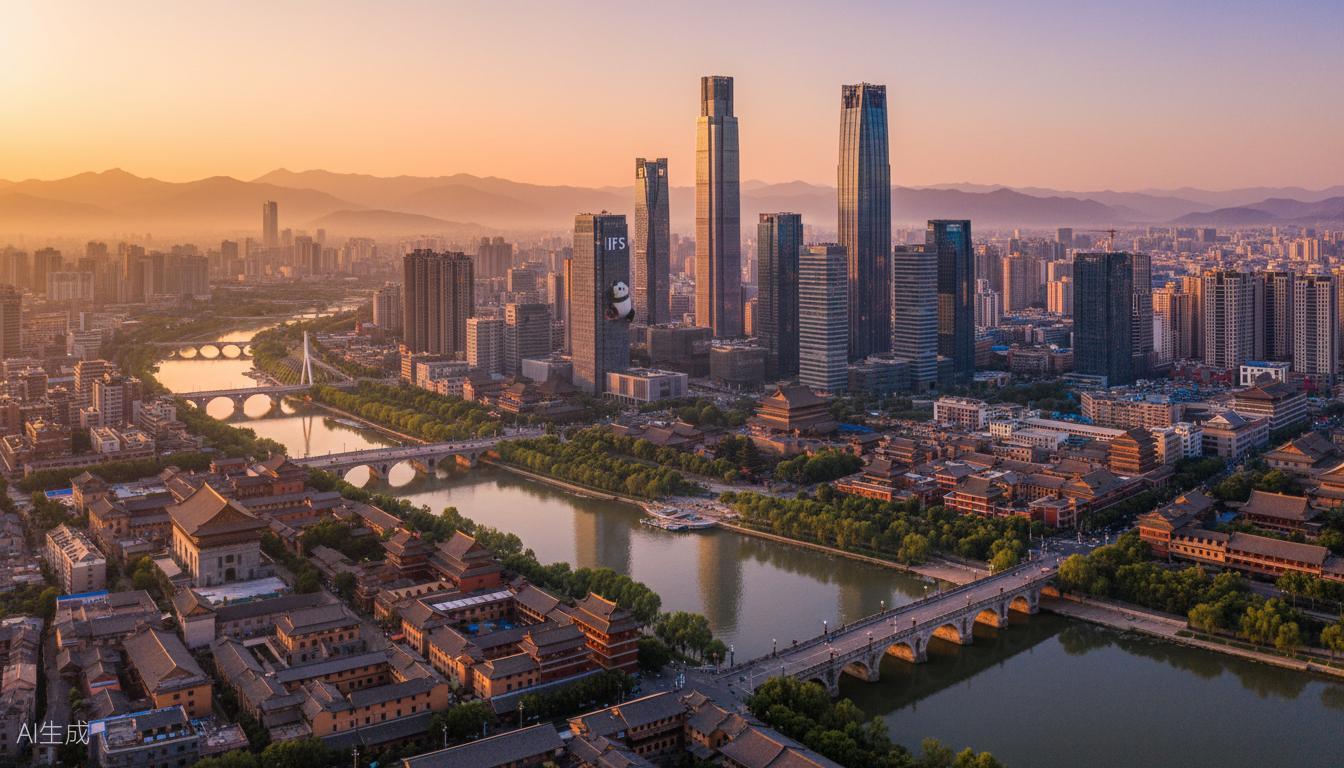
Chengdu
Land of Abundance · UNESCO City of Gastronomy
A City You Never Want to Leave
Chengdu, the capital of Sichuan Province, is known as the 'Land of Abundance.' With 4,500 years of civilization and over 2,300 years of city-building history, it is one of China's first national historical and cultural cities. Chengdu is the hometown of giant pandas and was designated by UNESCO as a 'City of Gastronomy.' Here, you can experience the richness of ancient Shu civilization while enjoying the vibrancy of a modern metropolis. The leisurely chats over tea in teahouses, the steaming hot pots in bustling restaurants, and the adorable giant pandas at the panda base all shape Chengdu's unique urban character. Once you arrive in Chengdu, you'll discover that life can slow down — just a little more.
Explore Attractions
From giant pandas to world heritage, from ancient streets to modern shopping
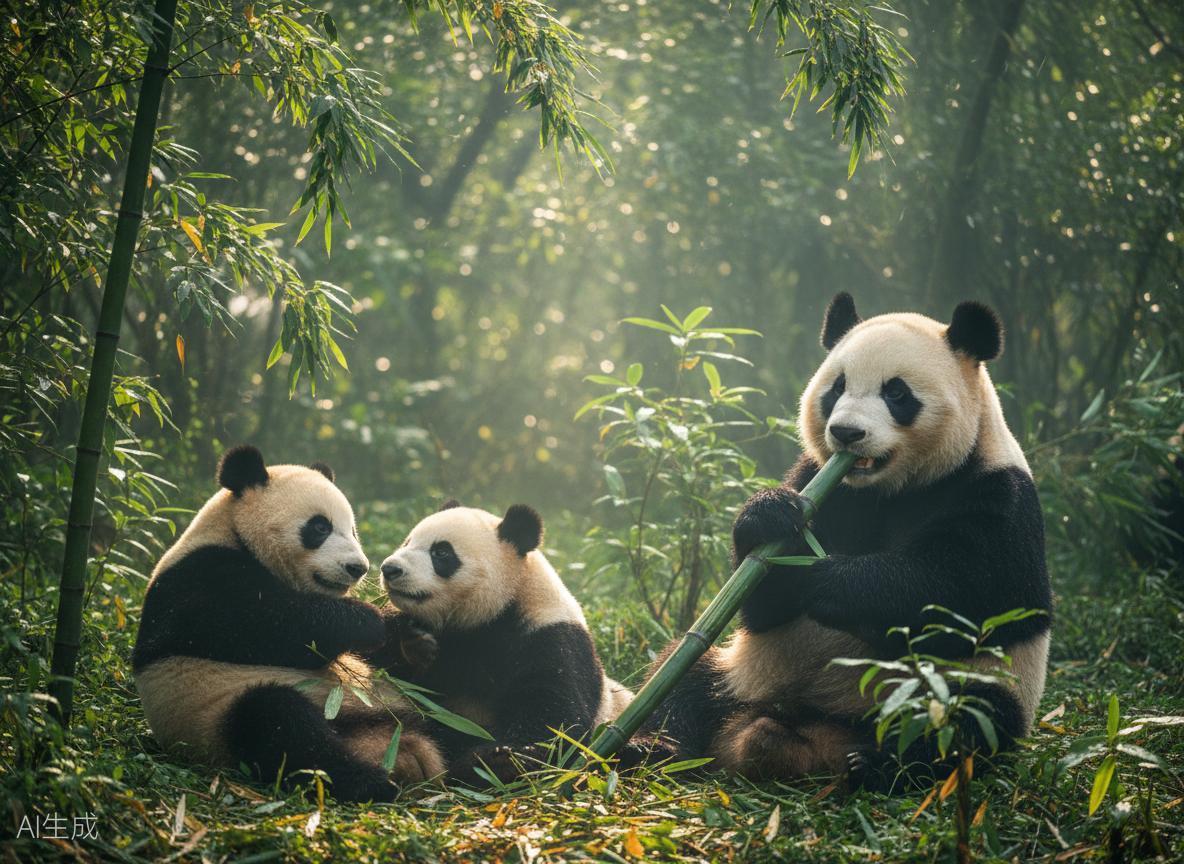
Giant Panda Breeding Research Base (大熊猫繁育研究基地)
The world's largest giant panda breeding research institution, covering over 1,000 mu with giant pandas, red pandas, black-necked cranes, and other rare animals. Here you can observe adorable pandas eating bamboo, climbing trees, and rolling around up close, while learning about panda breeding and conservation.
Arrive before 8 AM when pandas are most active; the Moon Delivery Room offers views of baby pandas
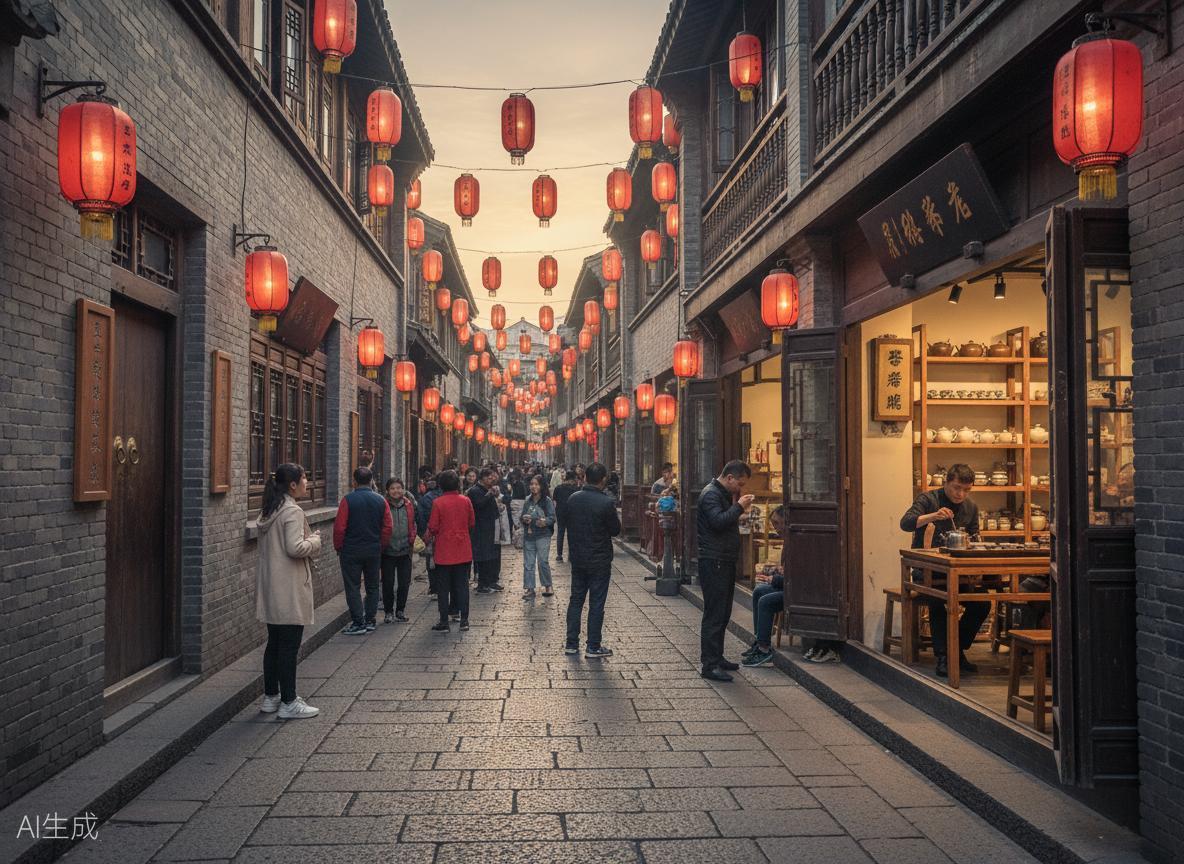
Kuanzhai Alley (宽窄巷子)
Ancient Qing Dynasty streets left behind in Chengdu, consisting of three parallel old streets — Kuan Alley, Zhai Alley, and Jing Alley — along with traditional courtyard compounds between them. This is a microcosm of old Chengdu life.
Visit in the evening for the best atmosphere; try ear cleaning and Sichuan opera face-changing performances
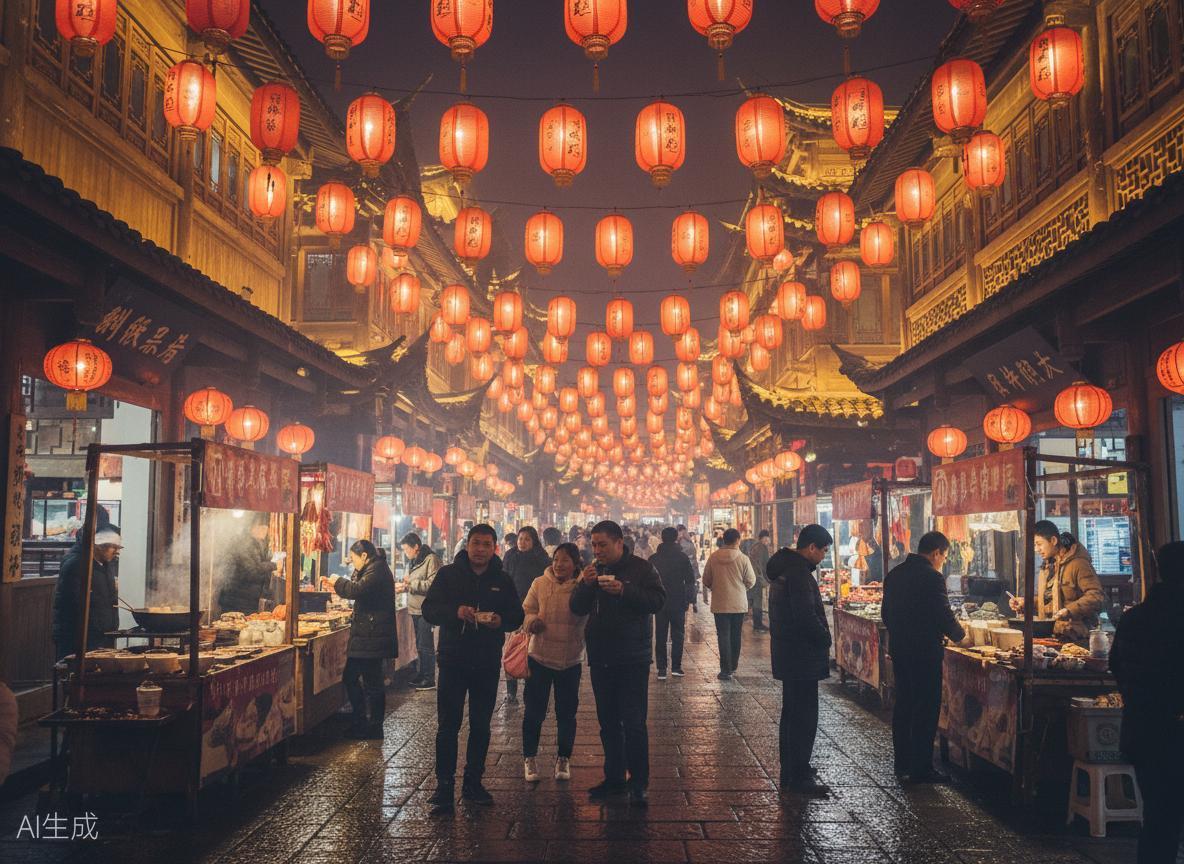
Jinli Ancient Street (锦里古街)
Part of the Wuhou Shrine Museum, known as 'the first street of West Shu.' The street stretches 550 meters, with late Ming and early Qing Chuanxi-style architecture as its exterior and Three Kingdoms culture and Chengdu folk customs as its soul.
Visit in the evening for the most charming scene when the red lanterns light up
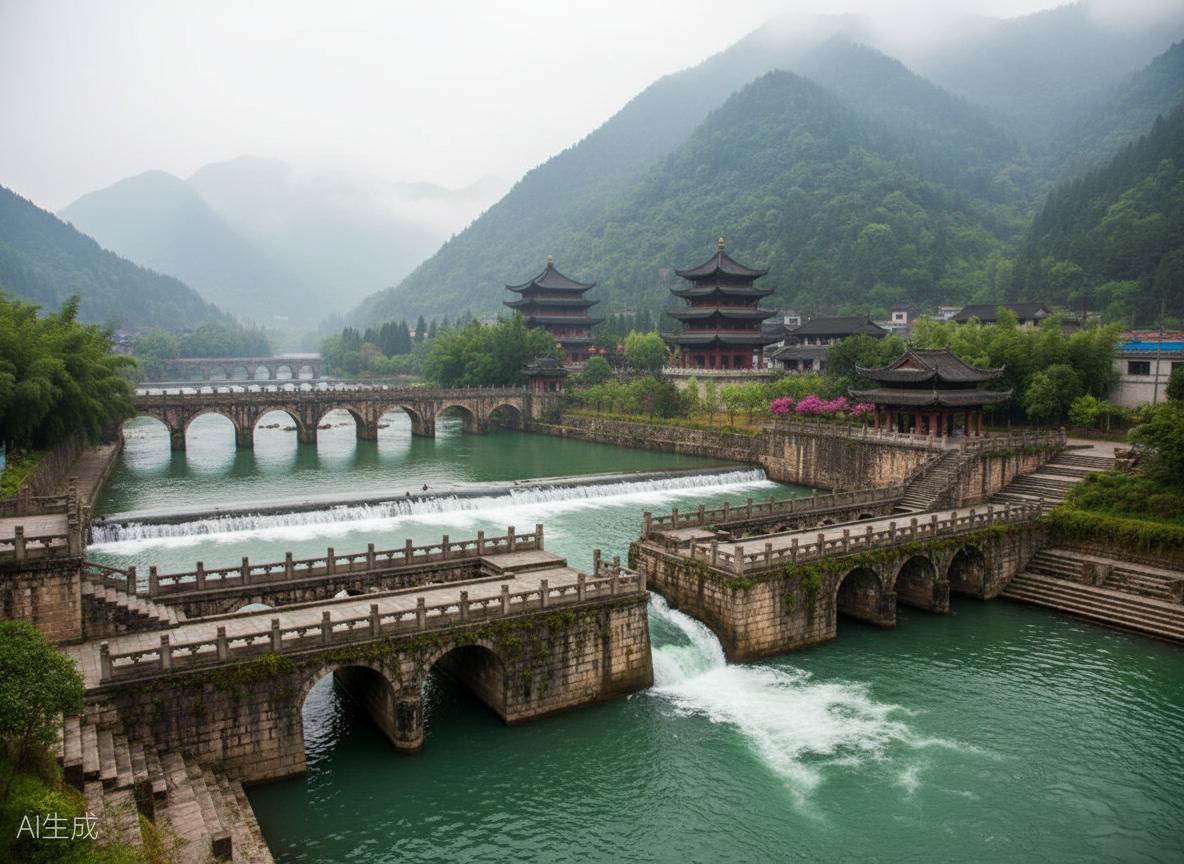
Dujiangyan Irrigation System (都江堰)
A UNESCO World Heritage Site, originally built around 256 BC during the late Qin Dynasty. This large-scale irrigation project was organized by Li Bing, governor of Shu Prefecture, and his son, and has a history of over 2,200 years.
Can be combined with a Qingcheng Mountain day trip; consider hiring a guide to explain the irrigation engineering
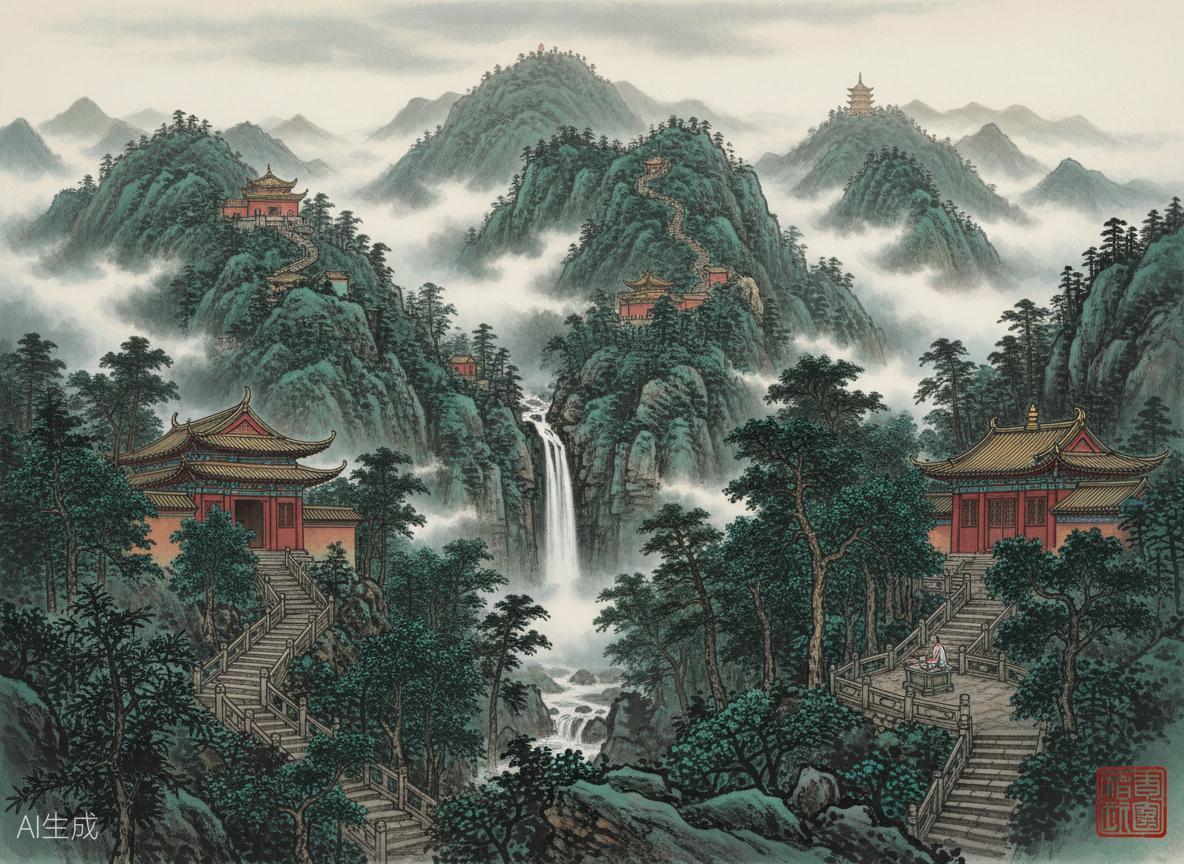
Qingcheng Mountain (青城山)
One of China's four sacred Taoist mountains and a UNESCO World Heritage Site, renowned as 'Qingcheng, the most secluded mountain in the world.' The mountain is lush with trees year-round, surrounded by peaks shaped like a city wall.
Front mountain for Taoist culture, back mountain for natural scenery; consider taking the cable car up
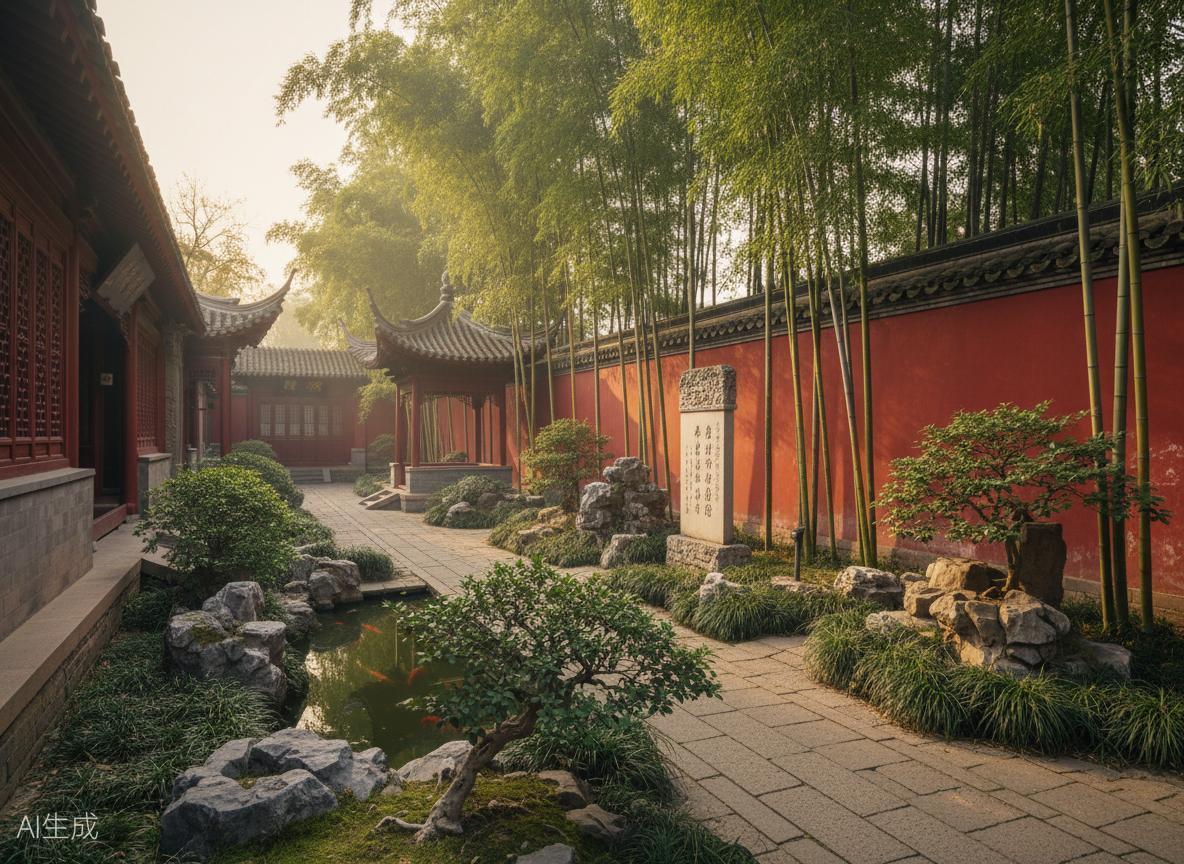
Wuhou Shrine (武侯祠)
China's only temple that worships both a ruler and his subjects together. It is the most celebrated memorial site for Zhuge Liang, Liu Bei, and the Shu Han heroes, as well as the most influential Three Kingdoms relic museum in the world.
The bamboo-lined path along the red wall is a perfect photo spot; consider renting an audio guide
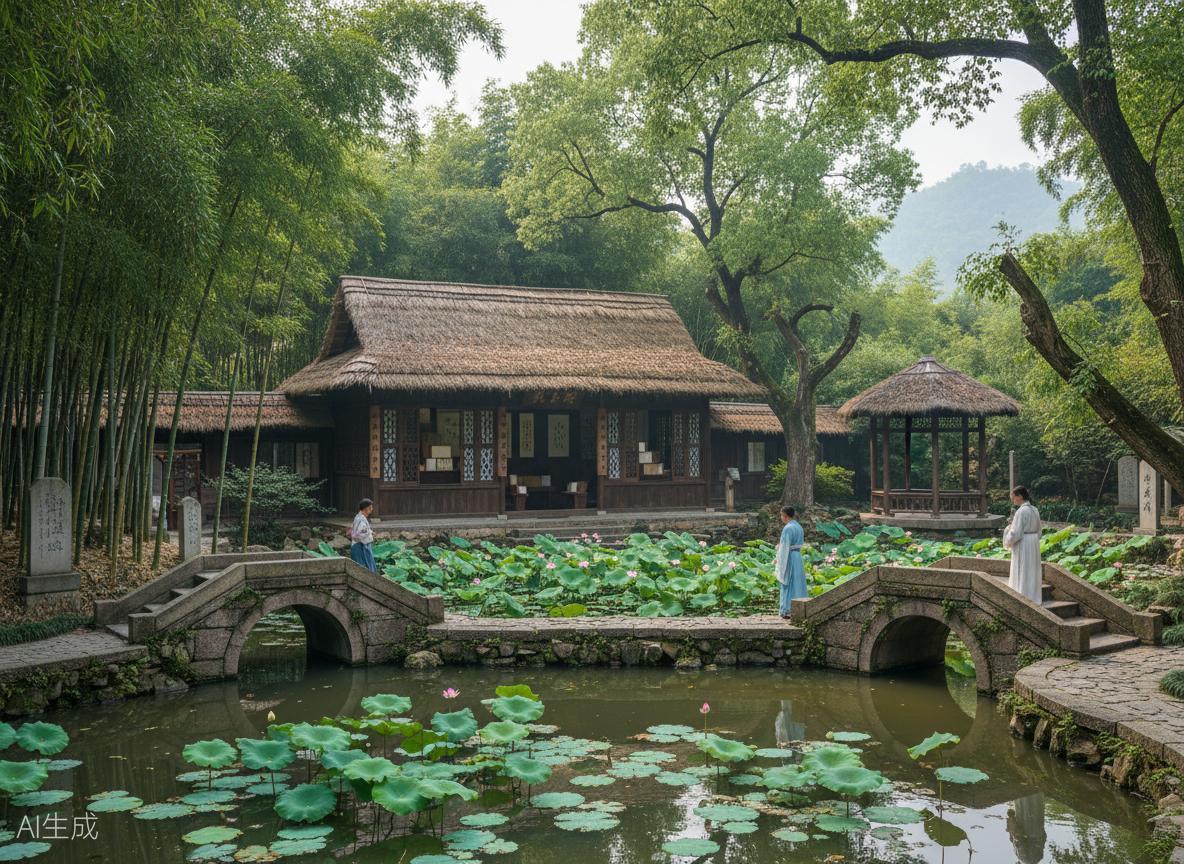
Du Fu Thatched Cottage (杜甫草堂)
The former residence of the great Tang Dynasty poet Du Fu during his stay in Chengdu. Du Fu lived here for nearly four years and composed over 240 poems. The cottage grounds feature winding streams, pavilions, and lush gardens.
Visit in spring for full garden blooms; the thatched cottage area is the most authentic
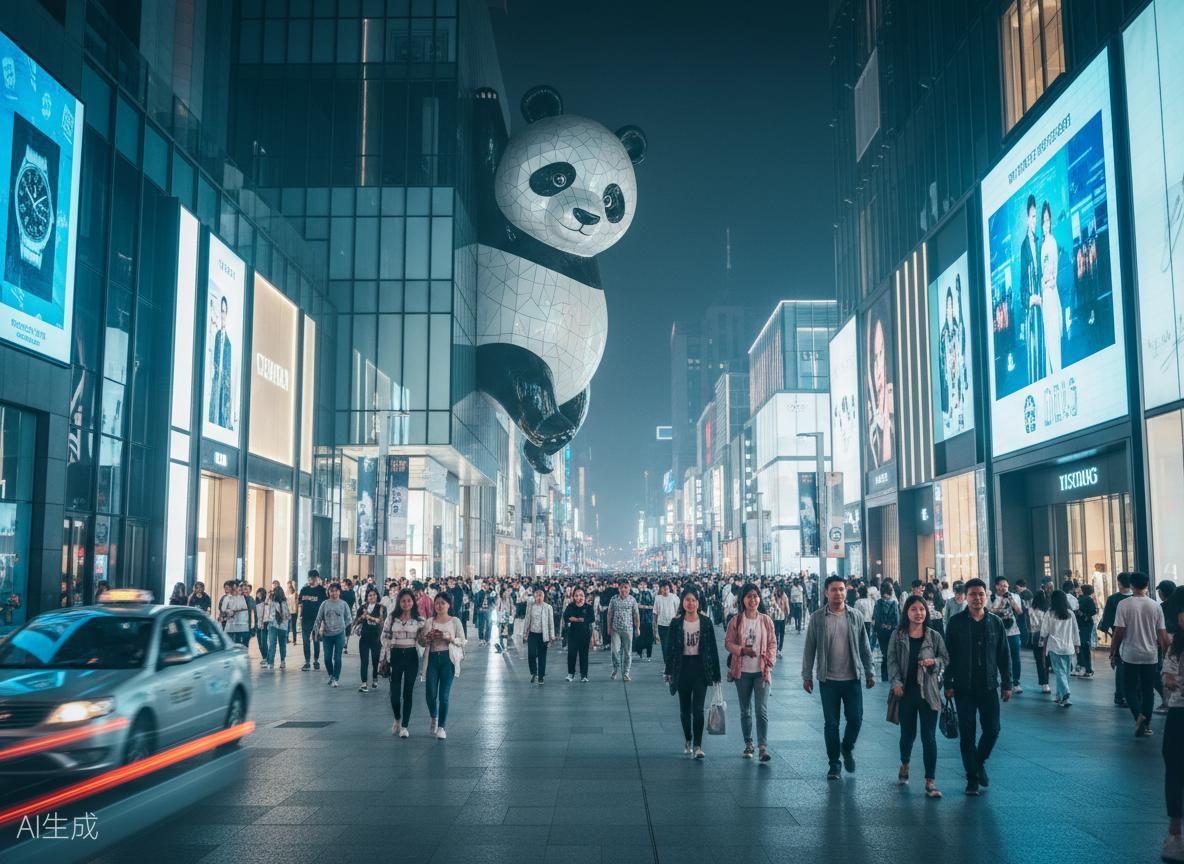
Chunxi Road · Taikoo Li (春熙路·太古里)
Chengdu's most vibrant commercial center, where the century-old Jin Street Chunxi Road meets the open, low-density Taikoo Li shopping district. The climbing panda sculpture on the IFS rooftop has become a new landmark of Chengdu.
Expect a queue to photograph the giant panda on the IFS rooftop; Taikoo Li's night view is more enchanting than daytime
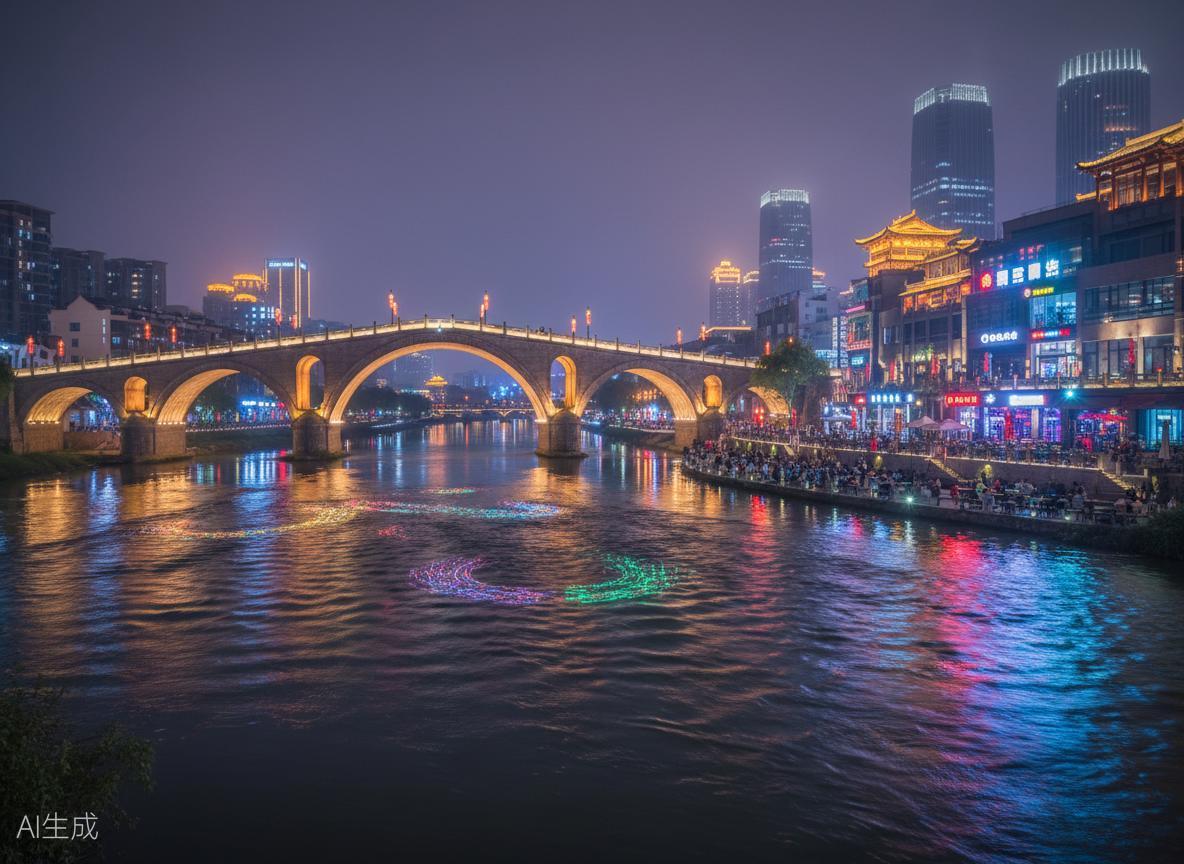
Jiuyanqiao Bar Street (九眼桥酒吧街)
The iconic nightlife spot of Chengdu. Anshun Bridge spans the Funan River, with hundreds of diverse bars and live houses lining both banks.
The atmosphere is best after 9 PM; Anshun Bridge is the classic spot for night photography
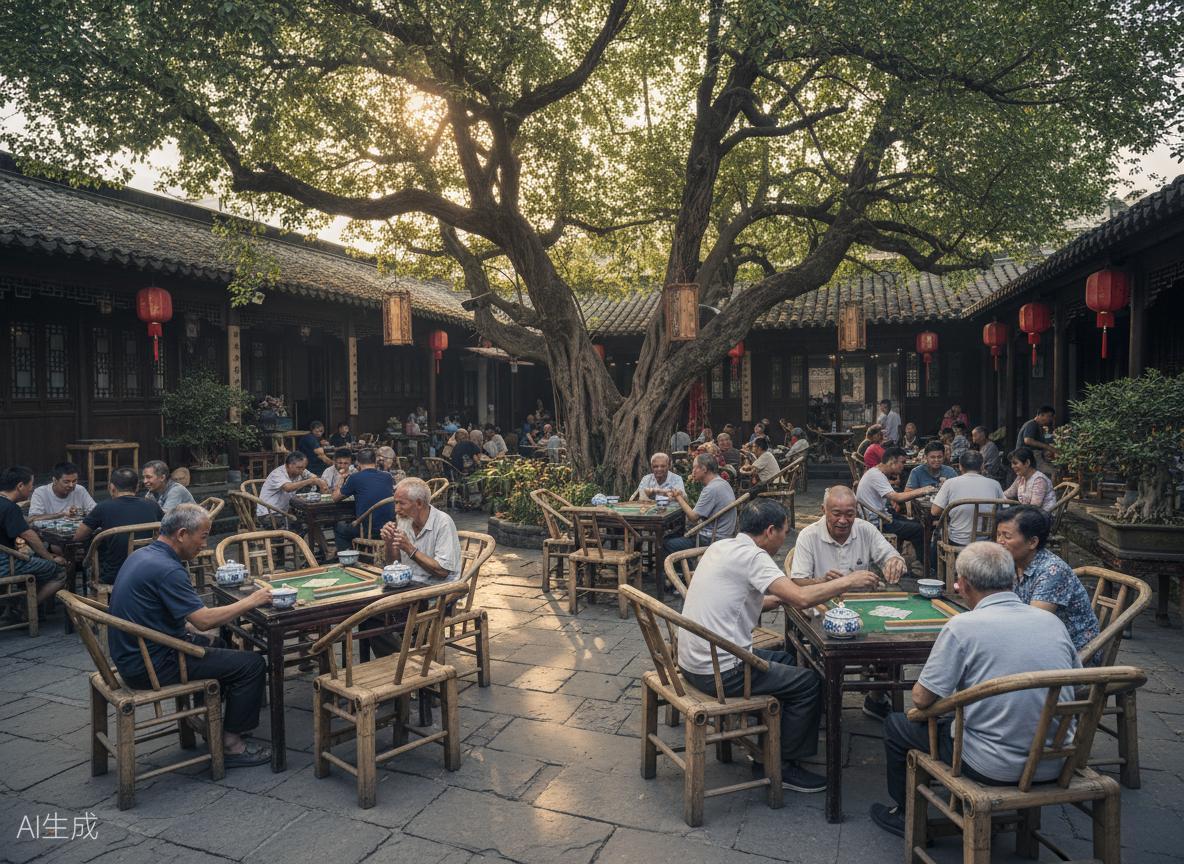
Heming Teahouse · People's Park (人民公园鹤鸣茶社)
One of Chengdu's oldest teahouses, founded in 1923 with a century of history. Bamboo chairs, low tables, and covered-bowl tea — here you can experience Chengdu's authentic 'bai long men zhen' (casual chatting) culture.
Tea costs about ¥20-30 per seat, ear cleaning about ¥30; afternoons are the liveliest
Taste the Cuisine
A UNESCO-recognized 'City of Gastronomy' with fiery Sichuan flavors
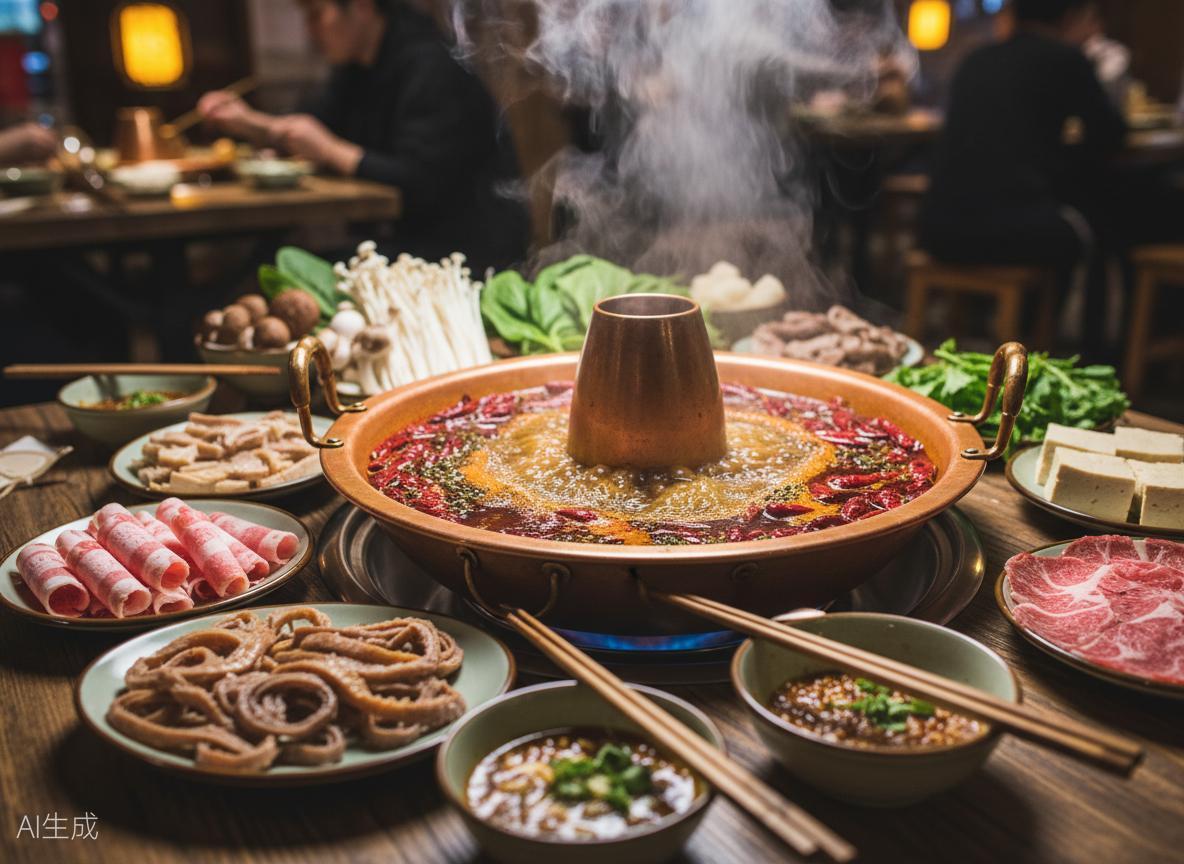
Sichuan Hot Pot (四川火锅)
Hot PotThe soul of Chengdu cuisine — bubbling red oil, numbingly spicy and fragrant. Dip tripe seven times up and down, enjoy crispy duck intestines, and let melt-in-your-mouth tender beef captivate your palate.
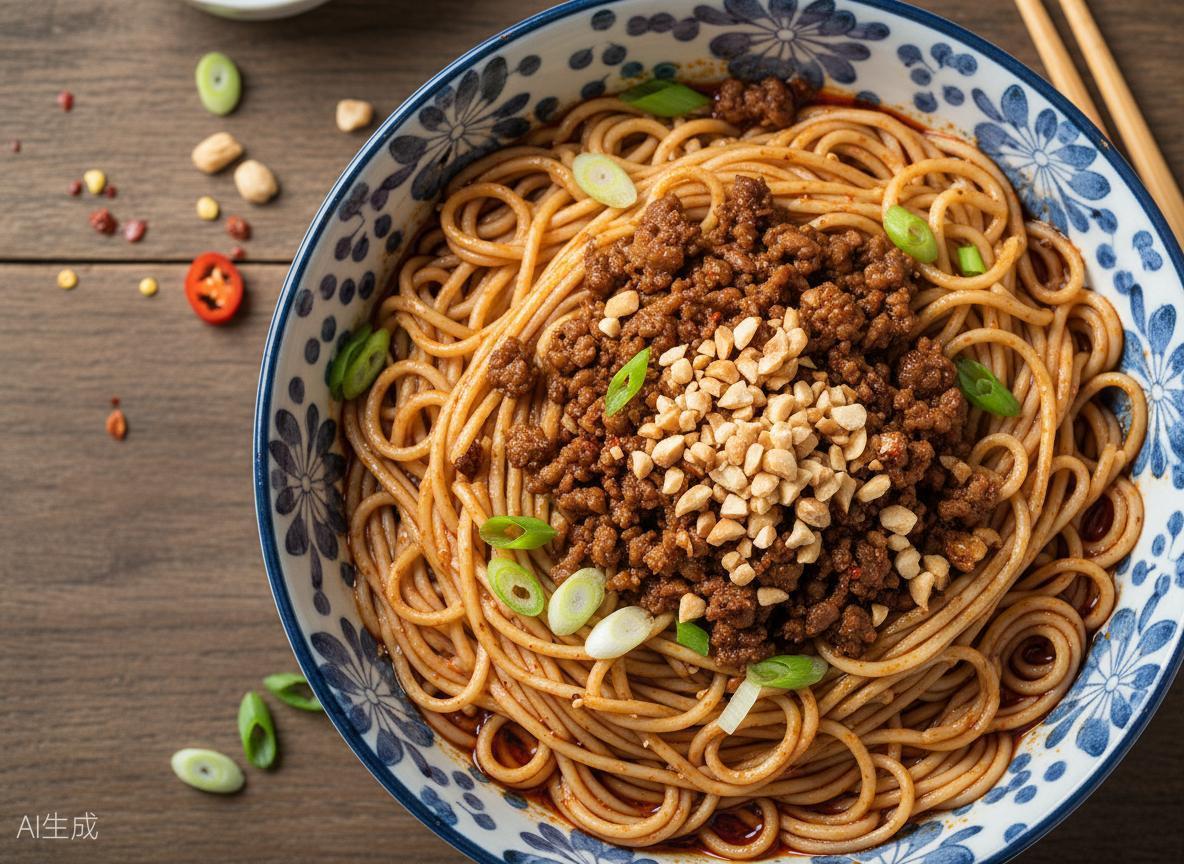
Dandan Noodles (担担面)
NoodlesThin noodles in a savory, crispy sauce with a hint of spice and an aromatic finish. Topped with crushed peanuts and scallions, drizzled with chili oil — one bowl leaves a lingering aftertaste.
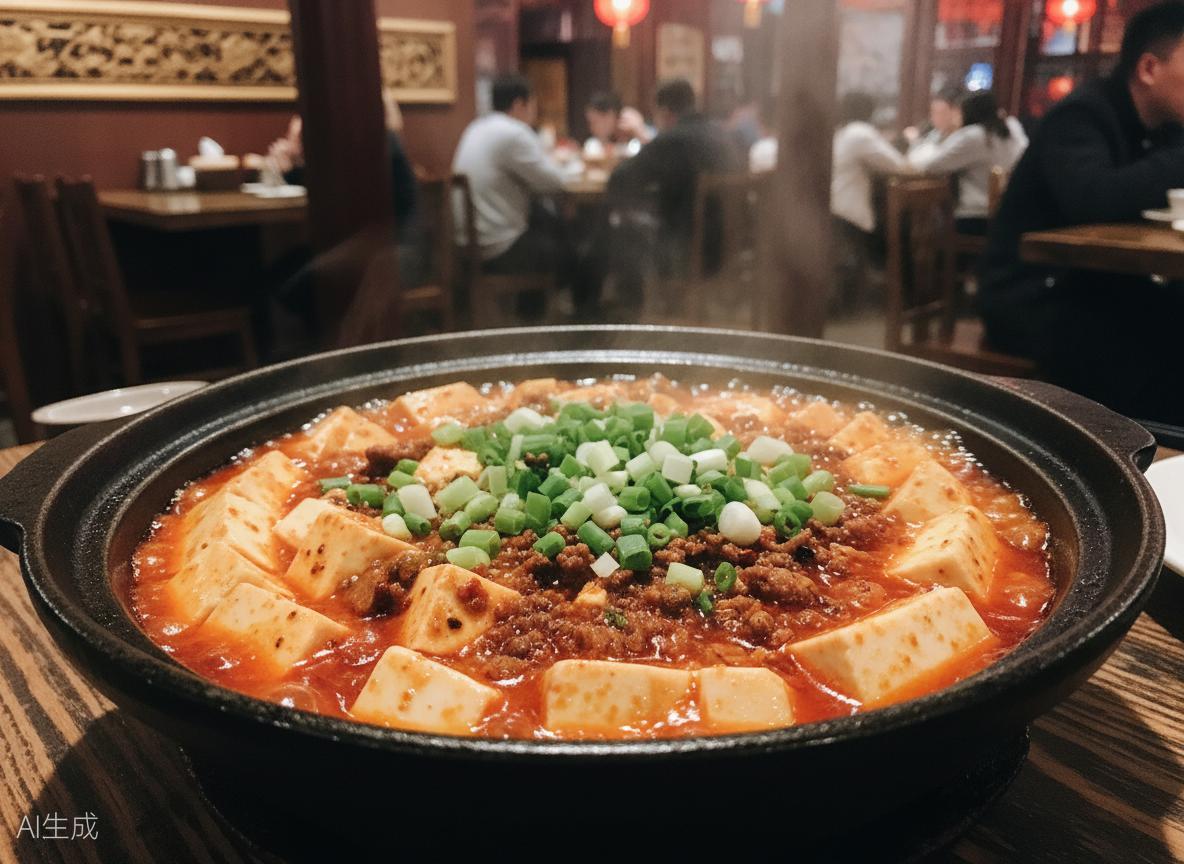
Mapo Tofu (麻婆豆腐)
Sichuan CuisineA classic Sichuan dish, first created in 1874 during the Qing Dynasty. The tofu is white as jade, entering the mouth with numbing spice and savory flavor, tender tofu paired with minced beef and Sichuan peppercorn.
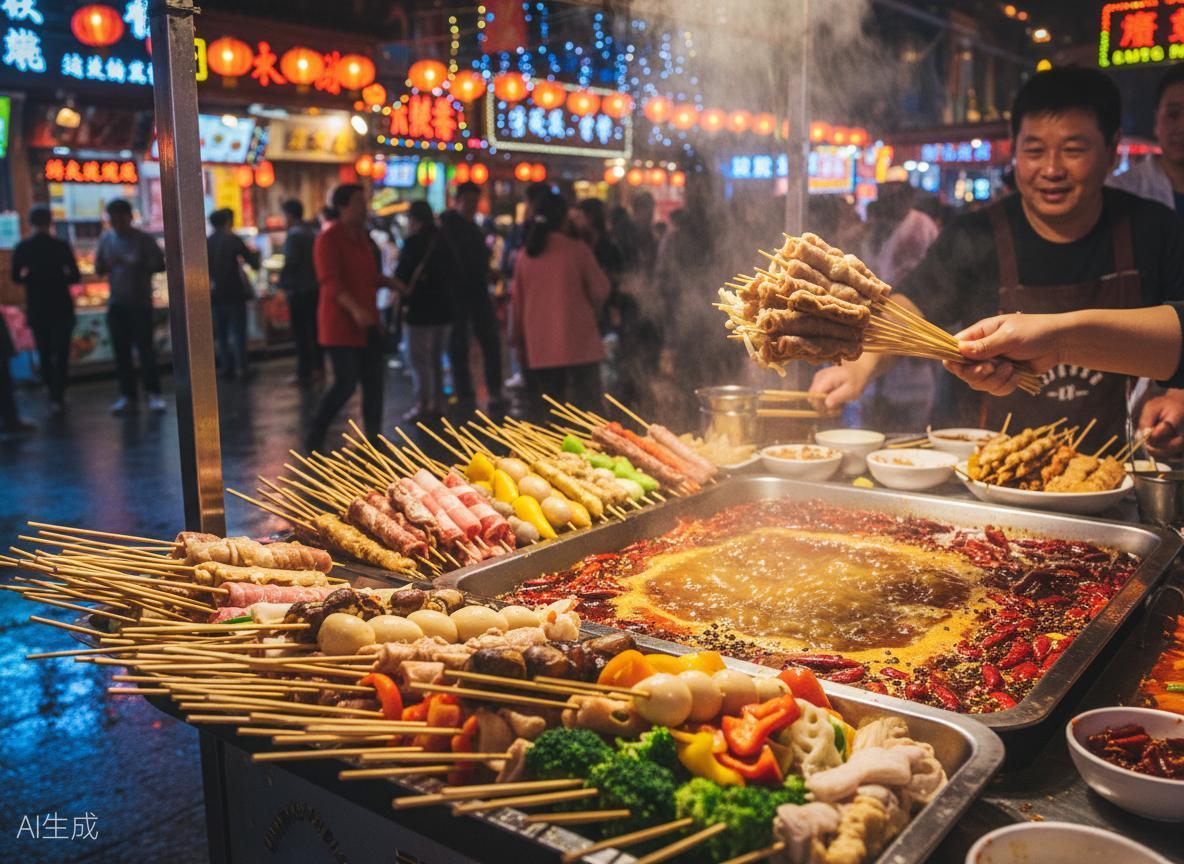
Chuan Chuan Xiang (串串香)
Street FoodSkewers of various ingredients cooked in a spicy hot pot broth — cook and eat as you go, affordable and satisfying. Dozens of meat and vegetable options to choose from.
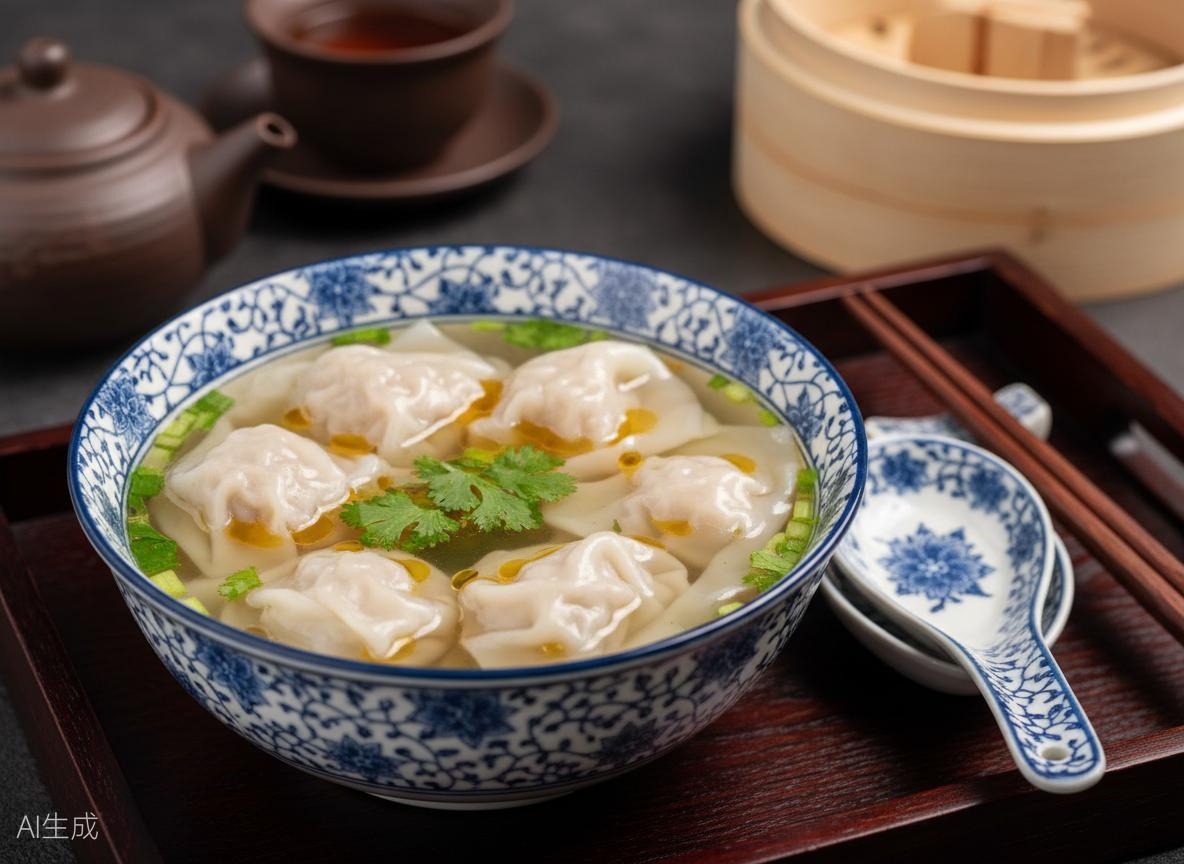
Long Chao Shou (龙抄手)
SnackDelicate wrappers with tender, savory filling. The red oil version is numbingly spicy and fragrant, while the original broth is light and fresh. A famous Chengdu snack.
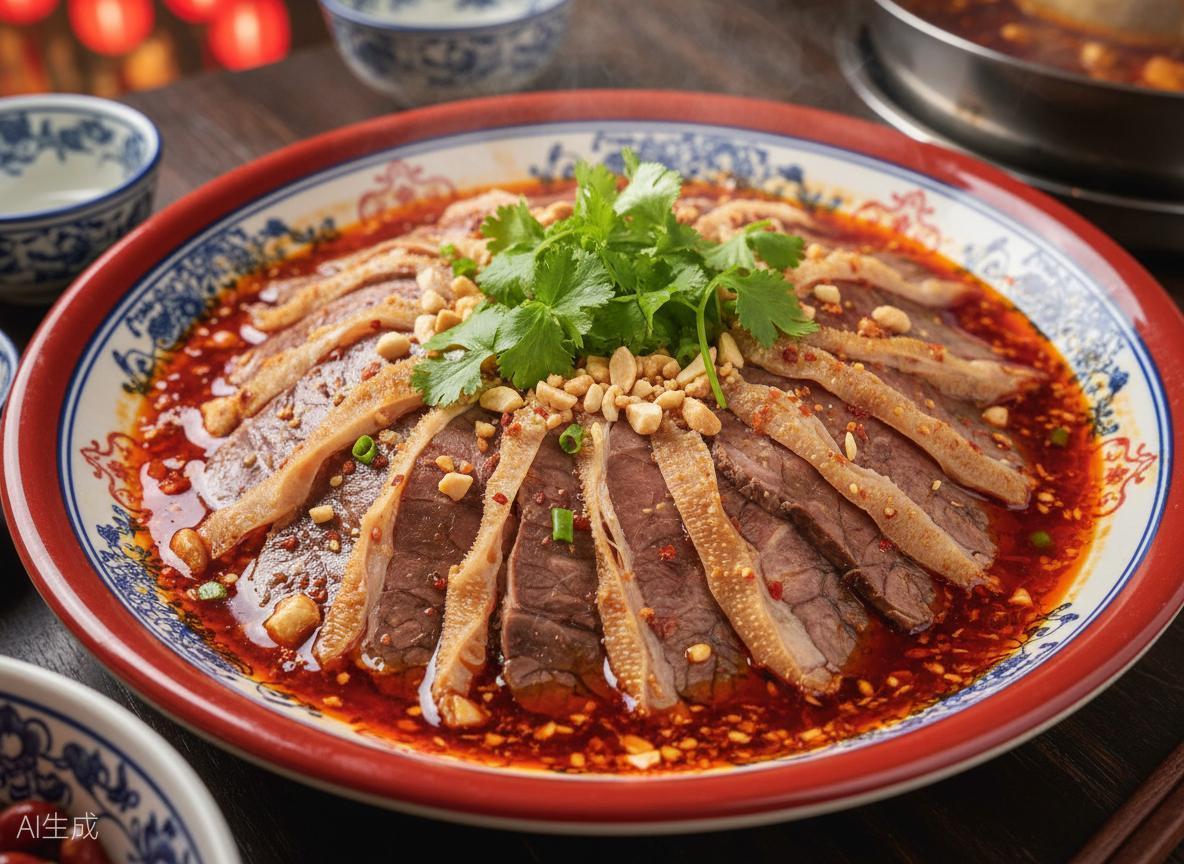
Fuqi Feipian (夫妻肺片)
Cold DishA traditional Chengdu cold dish, created by Mr. and Mrs. Guo Zhaohua. Thinly sliced beef and offal, paper-thin, dressed in a secret sauce of chili oil, Sichuan peppercorn, and sesame.
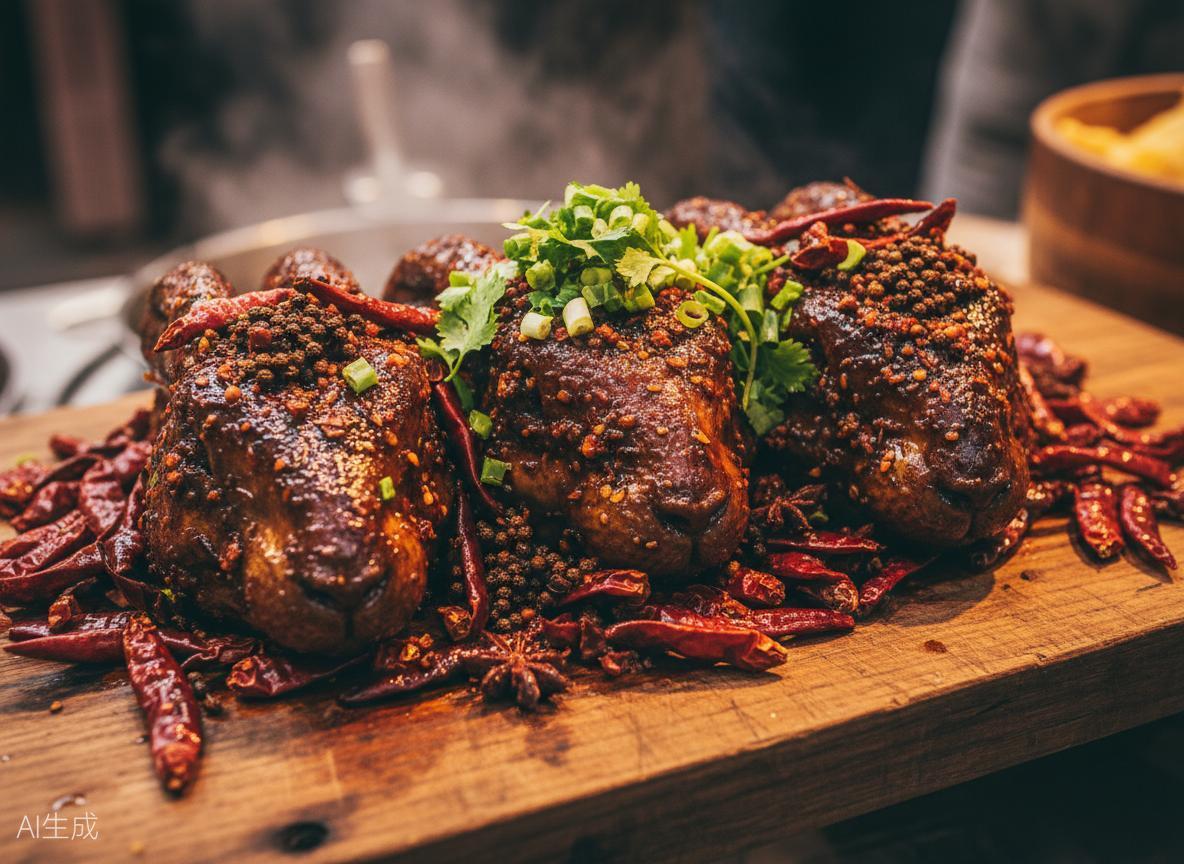
Spicy Rabbit Head (麻辣兔头)
Late NightChengdu's most distinctive late-night snack, bar none. The rabbit meat is tender and thoroughly flavored, with spicy seasoning penetrating every strand of meat.
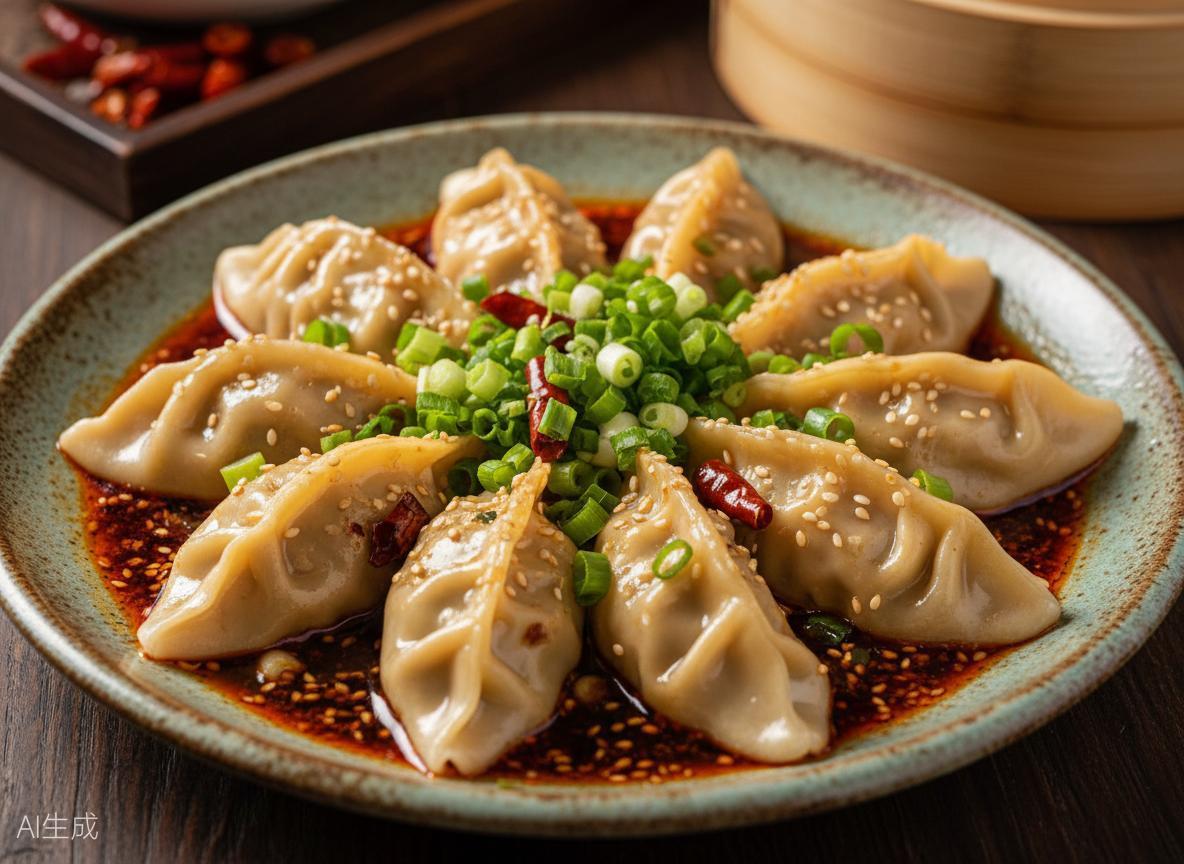
Zhong Dumplings (钟水饺)
SnackA traditional Chengdu snack, founded in 1893. Thin-skinned dumplings with generous filling, topped with a special chili oil sauce — perfectly balanced sweet and spicy.
Selected Hotels
From boutique B&Bs to luxury hotels, for every travel style
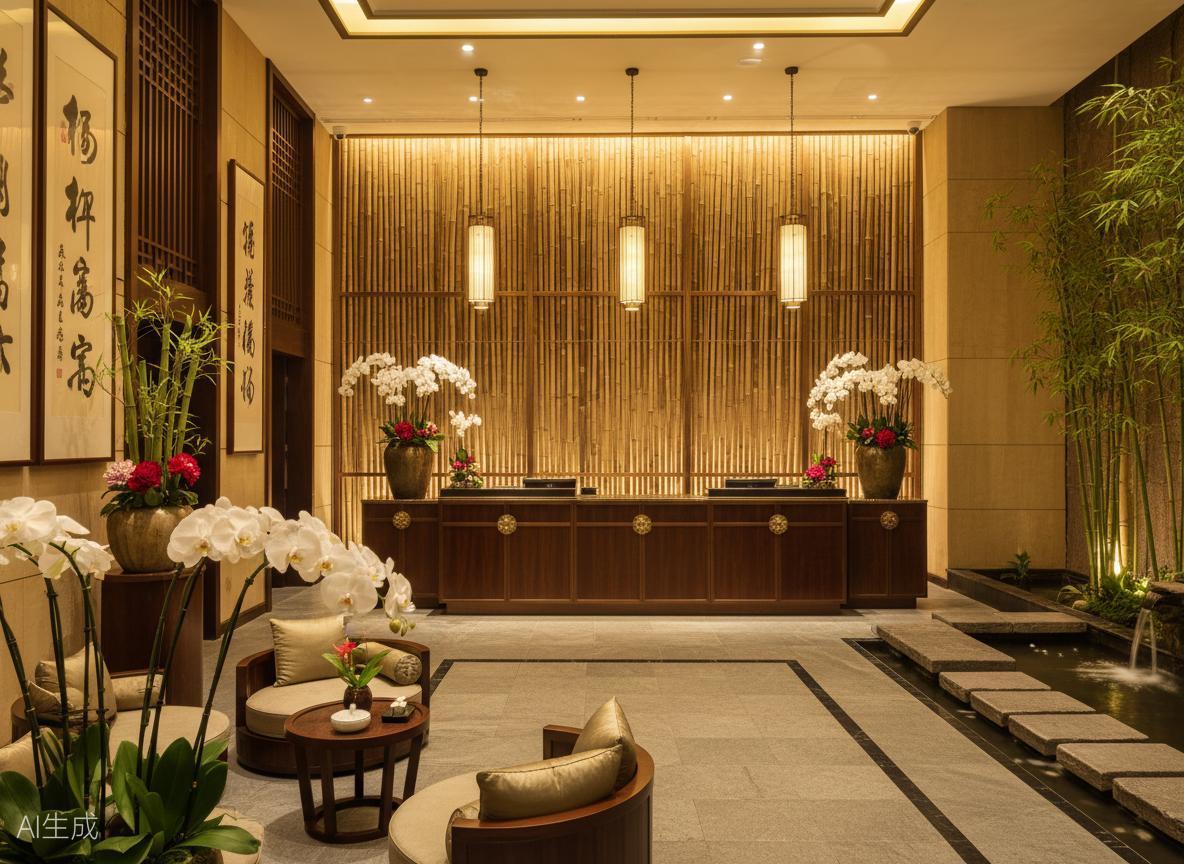
The Temple House Chengdu (成都博舍)
A boutique hotel in Taikoo Li, converted from a Qing Dynasty courtyard, blending traditional Chuanxi architecture with modern design. Walking distance to Chunxi Road.
Grand Hyatt Chengdu (成都群光君悦酒店)
A luxury hotel in the Chunxi Road commercial district, designed by renowned designer Tony Chi. Rooms overlook the city skyline.
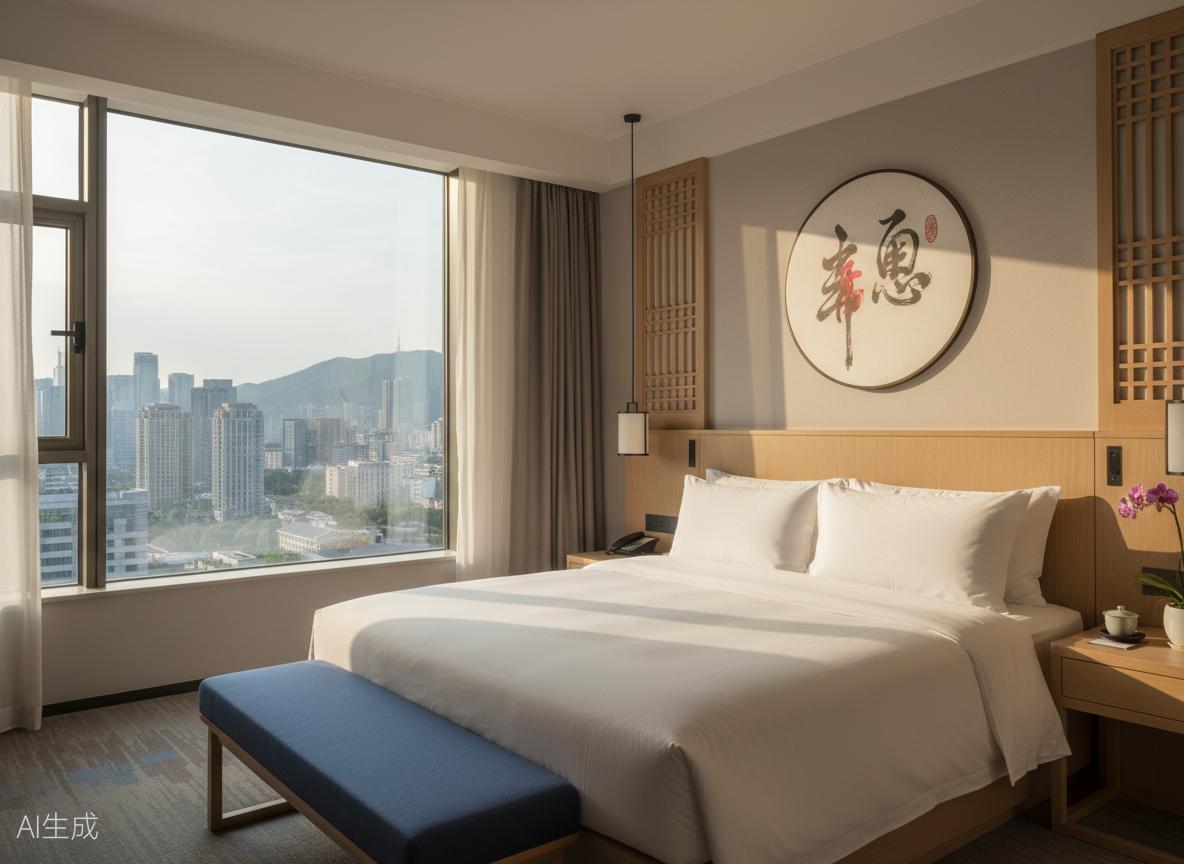
Ji Hotel Chunxi Road (全季酒店春熙路店)
A mid-range business hotel under the Huazhu Group, in a prime location within walking distance of Chunxi Road and Taikoo Li. Clean, minimalist rooms with great value.
Shangri-La Hotel Chengdu (成都香格里拉大酒店)
An iconic luxury hotel along the Jinjiang River with 180-degree river views. Top-notch service; the Xiang Gong restaurant's Sichuan and Cantonese cuisines are both highly praised.
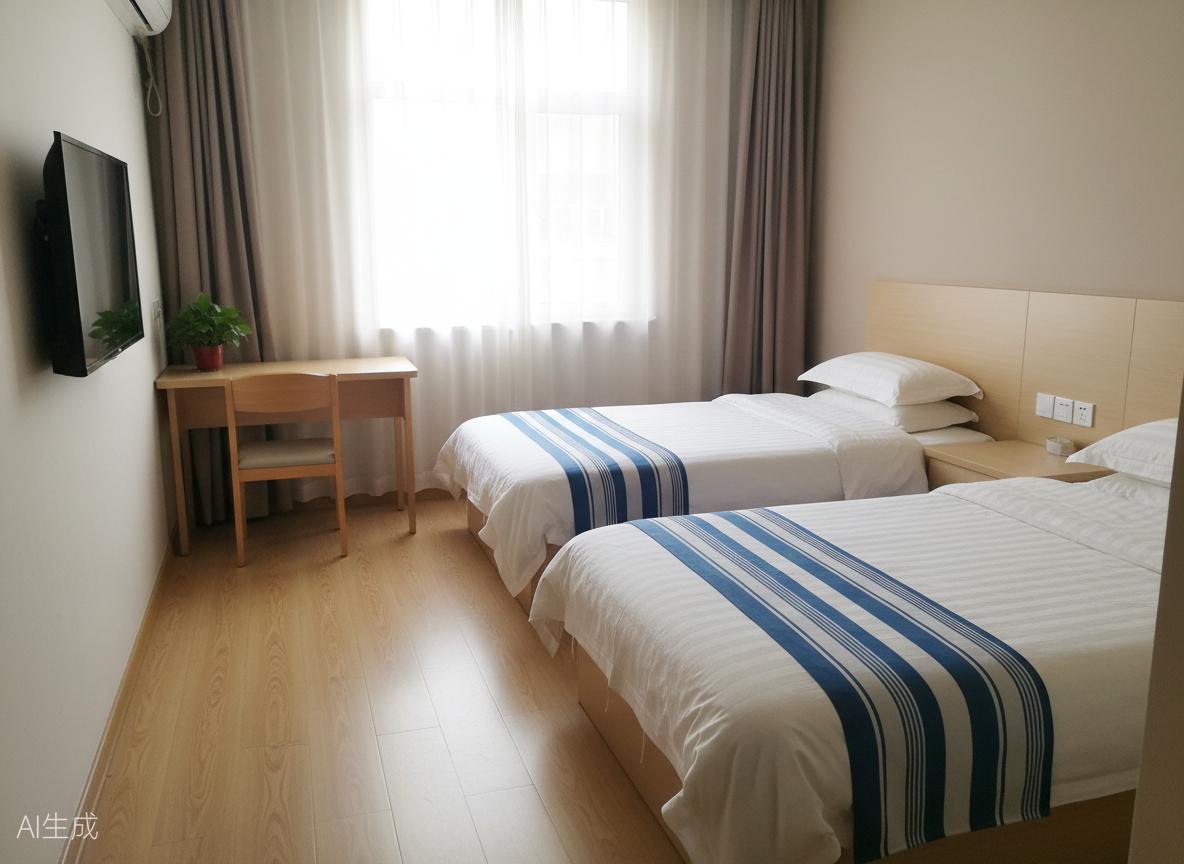
7 Days Inn Kuanzhai Alley (7天酒店宽窄巷子店)
A budget chain hotel in a convenient location near the Kuanzhai Alley scenic area. Clean, comfortable rooms — the top choice for budget-conscious travelers.
Travel Routes
Carefully planned multi-day itineraries for an unforgettable Chengdu trip
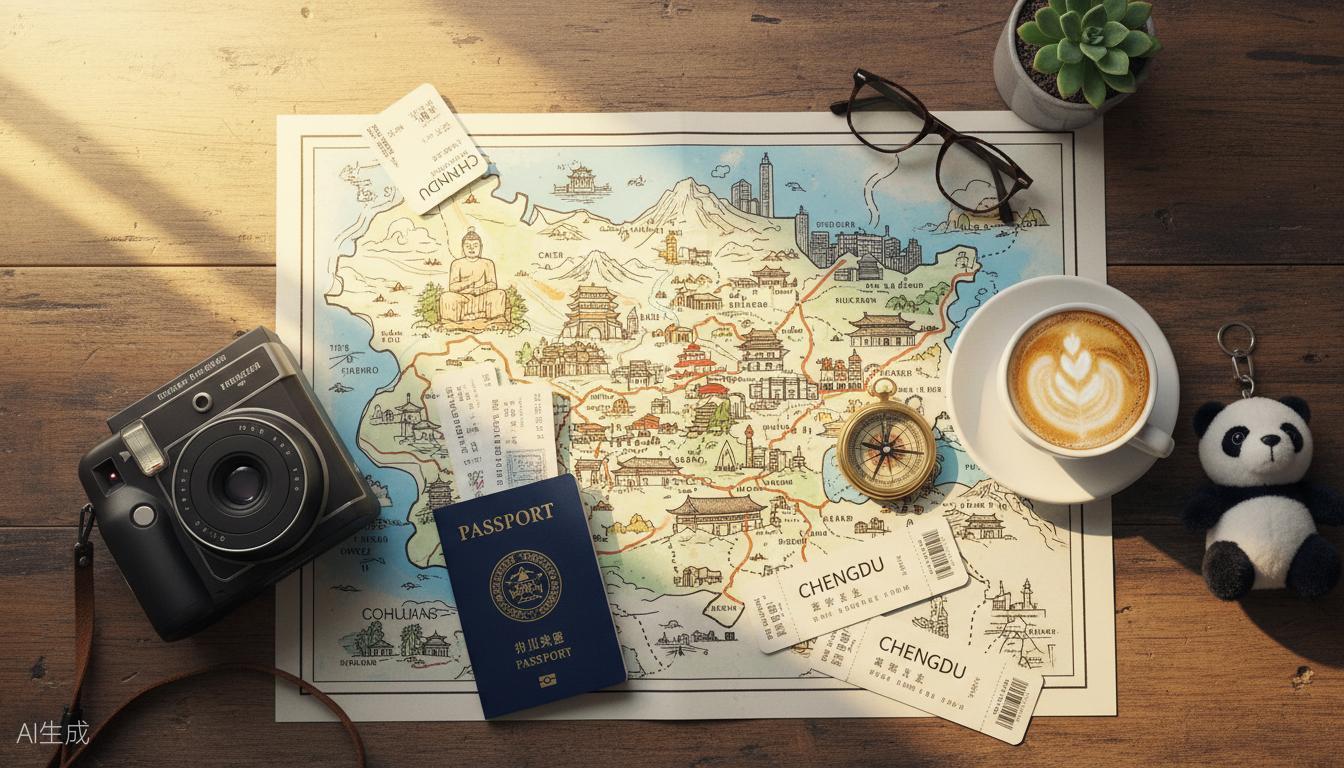
Chengdu Classic 3-Day Trip
Cover Chengdu's most iconic attractions and food experiences, from giant pandas to ancient streets, from Three Kingdoms culture to modern shopping districts.
Itinerary
Arrive before 8 AM for the most active panda viewing
Afternoon shopping, check out the IFS climbing panda
Morning visit to Wuhou Shrine, capture the red wall bamboo shadows
Evening stroll through Jinli, sample a variety of street snacks
Morning visit to Kuanzhai Alley, experience old Chengdu
Afternoon tea and ear cleaning at People's Park
Chengdu Food Deep-Dive 4-Day Trip
A deep-dive route designed for foodies — from street skewers to high-end Sichuan cuisine, from century-old teahouses to trendy dessert spots, something different every day.
Itinerary
Xiao Long Kan Hot Pot → Taikoo Li trendy desserts
Chuan Chuan Xiang → Street food exploration
Zhong Dumplings → Long Chao Shou → Fuqi Feipian
Spicy rabbit heads with beer, experience Chengdu nightlife
Chengdu Nature & Culture 5-Day Trip
A deep-dive route combining natural scenery and cultural history — visit Dujiangyan's ancient waterworks, explore Qingcheng Mountain, see giant pandas, stroll ancient streets and taste local cuisine.
Itinerary
Full day at the Panda Base, learn about the national treasure
Morning at Du Fu Thatched Cottage, experience poetic Chengdu
Afternoon at Wuhou Shrine, trace Three Kingdoms history
Full day at Dujiangyan, explore the ancient water system
Full day at Qingcheng Mountain, front mountain Taoist culture
Kuanzhai Alley → People's Park tea, end the journey in leisure
Budget Guide
Budget reference for transport, dining, tickets, and accommodation
Metro covers major attractions; download the Tianfutong app
Metro Line 10 to Shuangliu Airport costs about ¥7, taxi about ¥60
Around ¥100 per person gets you a great meal
Dandan noodles, Long Chao Shou, and other snacks are very affordable
Panda Base ¥55, Dujiangyan ¥80, Wuhou Shrine ¥50
City budget hotels are reasonably priced
Ji Hotel, Atour and similar brands offer good value
Temple House, Grand Hyatt and similar top-tier hotels for premium experiences
Money-Saving Tips
- •Accommodation is cheaper during off-season (Mar-Jun, Sep-Nov)
- •Use the Tianfutong app for discounts on metro and bus rides
- •Street snacks are over half the price of restaurants near attractions
- •Buy attraction tickets online in advance for discounts
- •Reserve 10-20% extra budget for unexpected expenses
Estimated Total Cost
FAQ about Chengdu
Quick answers for planning your Chengdu itinerary efficiently
What is the best time to visit Chengdu?
Mar-Jun, Sep-Nov is generally the best season, with comfortable weather for sightseeing and outdoor activities.
How many days are recommended for Chengdu?
4 days is a practical baseline for first-time visitors covering major highlights.
What is a typical travel budget in Chengdu?
A common reference is around ¥2500 per person, depending on hotel level, transport, and attraction choices.
Is Chengdu suitable for family travel?
Yes. Chengdu has diverse attractions, flexible route options, and accommodation levels suitable for family trips.